

Introduction
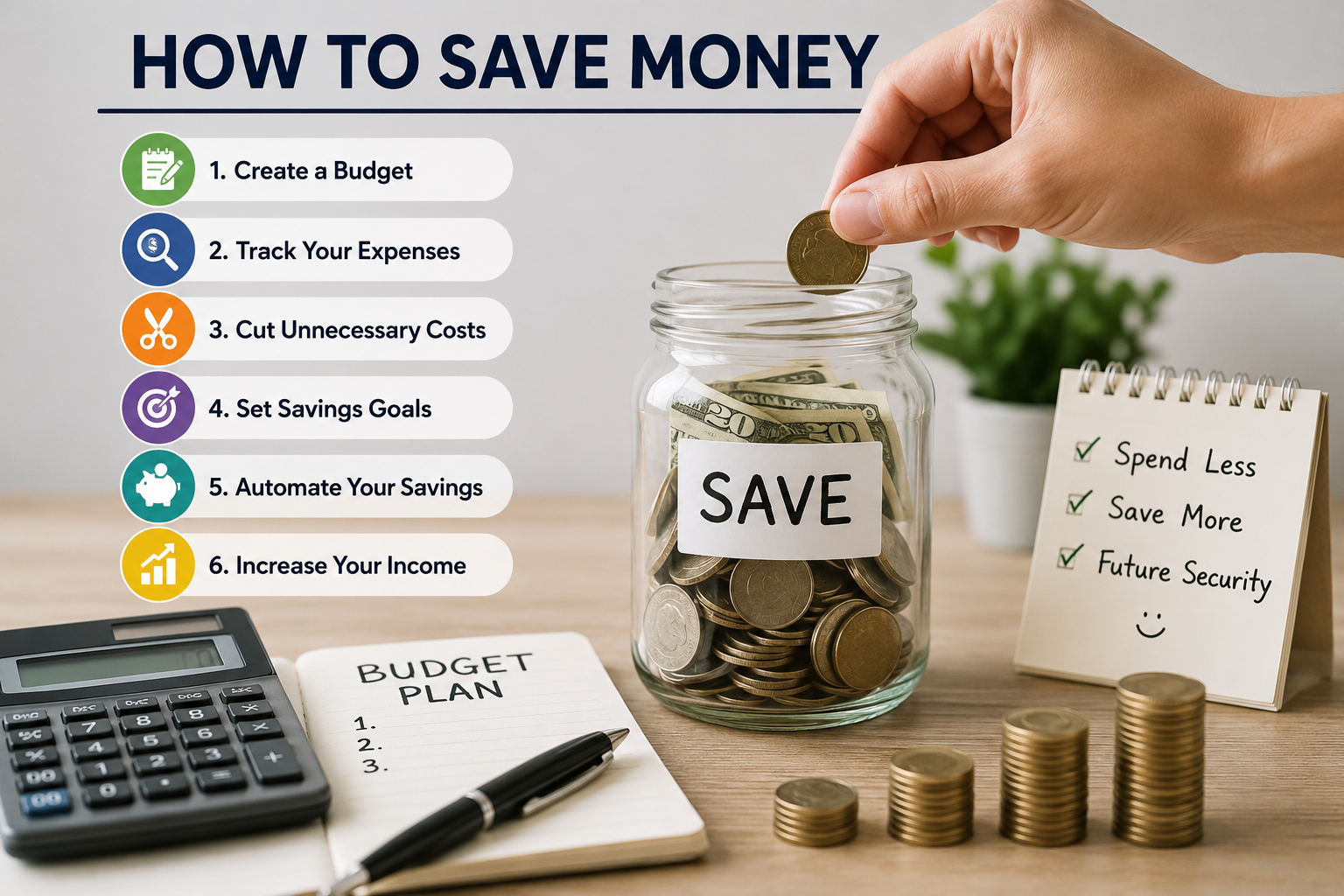
How to Save Money Saving money is one of those goals almost everyone has, yet many people struggle to turn it into a consistent habit. Whether you’re trying to build an emergency fund, save for a vacation, buy a home, or simply reduce financial stress, learning how to save money can completely change the way you manage your finances. The good news is that saving money doesn’t always require earning a higher salary. In many cases, small adjustments to your daily habits can make a surprisingly big difference over time.
Many people assume that saving money means giving up everything they enjoy, but that’s far from the truth. Effective saving is about making smarter decisions rather than sacrificing your happiness. When you understand where your money goes and learn how to spend intentionally, you can still enjoy life while steadily increasing your savings.
In this guide, we’ll explore practical and realistic strategies that anyone can follow. These tips work whether you’re a student, a working professional, a parent, or someone planning for retirement. By developing better financial habits today, you’ll create a stronger financial future for yourself and your family.
Understand Where Your Money Goes
Before you can save money, you need to know exactly How to Save Money how you’re spending it. Many people underestimate how much they spend on small purchases like coffee, snacks, food delivery, or online subscriptions. Individually these expenses seem harmless, but together they can consume a significant portion of your monthly income.
Start by tracking every expense for at least one month. You can use a budgeting app, a spreadsheet, or even a notebook. Divide your spending into categories such as housing, groceries, transportation, entertainment, dining out, shopping, and utilities. Seeing your spending habits in writing often reveals opportunities to cut unnecessary expenses.
Once you’ve identified spending patterns, ask yourself whether each purchase adds real value to your life. You don’t have to eliminate everything enjoyable, but reducing impulsive spending allows you to redirect more money toward meaningful financial goals. Awareness is the first and most important step in saving money successfully.
Create a Realistic Monthly Budget
A budget isn’t designed to restrict your freedom—it gives you control over your finances. Without a budget, it’s easy to spend more than intended because there’s no clear plan for your income. A well-designed budget ensures every dollar has a purpose.
One popular budgeting method is the 50/30/20 rule. Around 50% of your income covers necessities like rent, utilities, groceries, and transportation. Approximately 30% can be allocated to wants such as entertainment and dining out. The remaining 20% should ideally go toward savings and debt repayment. While these percentages may vary depending on your circumstances, they provide an excellent starting point.
Review your budget regularly instead of creating it once and How to Save Money forgetting about it. Life changes, expenses fluctuate, and your financial goals evolve over time. Updating your budget monthly helps you stay on track while making adjustments whenever necessary.
Set Clear Savings Goals
Saving money becomes much easier when you know exactly How to Save Money what you’re saving for. Vague goals like “I want to save more” often lack motivation. Specific goals create purpose and encourage consistent action.
Consider creating both short-term and long-term savings goals. Short-term goals may include building a $1,000 emergency fund, buying a new laptop, or planning a holiday. Long-term goals could involve purchasing a home, funding higher education, or preparing for retirement.
Break larger goals into smaller monthly targets. For example, if you want to save $6,000 in one year, aim to save $500 every month. Smaller milestones feel achievable and provide motivation as you watch your progress grow.
Build an Emergency Fund
Unexpected expenses happen to everyone. Your car may need repairs, How to Save Money medical bills can appear without warning, or temporary job loss may reduce your income. Without emergency savings, many people rely on credit cards or loans, creating long-term financial stress.
An emergency fund acts as a financial safety net. Experts generally recommend saving enough to cover three to six months of essential living expenses. If that feels overwhelming, begin with a smaller target such as $500 or $1,000 and gradually build from there.
Keep your emergency fund separate from your everyday spending account. A dedicated savings account reduces the temptation to spend the money on non-emergency purchases while still allowing easy access when genuine emergencies arise.
Reduce Unnecessary Expenses
Saving money often starts with identifying expenses that don’t provide How to Save Money lasting value. Many people spend more than they realize simply because certain habits become automatic over time.
Review recurring subscriptions such as streaming services, gym memberships, software, and mobile apps. Cancel anything you rarely use. Even eliminating a few small monthly payments can free up hundreds of dollars annually.
Eating out less frequently is another effective strategy. Preparing meals at home is generally healthier and significantly less expensive than ordering takeout every day. Planning weekly meals also reduces food How to Save Money waste and helps control grocery spending.
Impulse shopping is another common budget killer. Before making non-essential purchases, wait at least 24 hours. This simple pause often reduces emotional buying and encourages smarter financial decisions.
Shop Smarter Every Time
Smart shopping doesn’t mean buying the cheapest products available. Instead, it means getting the best value for your money while avoiding unnecessary purchases.
Always compare prices before making significant purchases. Many online tools How to Save Money allow you to check prices across multiple retailers within minutes. Waiting for seasonal sales or promotional discounts can also result in considerable savings.
Using shopping lists helps prevent impulse purchases. Whether you’re buying groceries or household items, sticking to your list reduces unnecessary spending and keeps your budget under control.
Buying quality products can also save money in the long run. While high-quality items sometimes cost more upfront, they often last much longer than cheaper alternatives, reducing replacement costs over time.
Save Money on Food and Groceries
Food is one of the largest monthly expenses for most households, making How to Save Money it an excellent area for potential savings. Fortunately, reducing grocery costs doesn’t require sacrificing healthy meals.
Meal planning is one of the simplest ways to lower grocery bills. Planning your meals for the week helps you buy only what you need while reducing food waste. Shopping after eating rather than when hungry can also prevent unnecessary purchases.
Buying store-brand products instead of premium brands often delivers similar quality at lower prices. Many generic products are manufactured in the same facilities as well-known brands but carry lower price tags due to reduced marketing costs.
Cooking larger portions and storing leftovers provides additional savings. How to Save Money Homemade lunches for work or school cost far less than purchasing meals every day while often being healthier and more satisfying.
Lower Your Utility Bills
Monthly utility bills can quietly consume a large portion of your budget, but small adjustments can significantly reduce these costs over time.
Turning off lights when leaving a room, unplugging unused electronics, and switching to energy-efficient LED bulbs all contribute to lower electricity bills. These simple habits require minimal effort but produce How to Save Money noticeable savings throughout the year.
Water conservation is equally important. Taking shorter showers, fixing leaking faucets, and running full loads in washing machines and dishwashers help reduce both water and energy expenses.
If possible, compare utility providers or internet plans in your area. Many companies offer promotional pricing or better packages that can reduce your monthly bills without sacrificing service quality.
Avoid High-Interest Debt
Debt with high interest rates makes saving money much more difficult. How to Save Money Credit card balances, payday loans, and certain personal loans can accumulate interest quickly, leaving less income available for savings.
If you carry multiple debts, focus on paying off the highest-interest balance first while continuing minimum payments on the others. This strategy reduces the total interest paid over time and accelerates your path toward financial freedom.
Avoid using credit cards for purchases you cannot pay off immediately. How to Save Money Credit cards are valuable financial tools when used responsibly, but carrying large balances often results in expensive interest charges that undermine your savings goals.
Developing disciplined borrowing habits allows more of your income to remain in your own pocket rather than being spent on interest payments.
Increase Your Income
While reducing expenses is important, increasing your income can dramatically accelerate your savings progress. Even modest additional earnings can make a meaningful difference over time.
Consider freelancing, tutoring, consulting, pet sitting, or offering services based on your existing skills. The digital economy provides countless opportunities for earning extra income from home through part-time work or online platforms.
You can also sell unused items around your home. Clothing, electronics, furniture, books, and collectibles that no longer serve you may generate valuable extra cash while reducing clutter.
Investing in education or professional certifications can increase your earning potential over the long term. Higher-paying career opportunities often provide far greater financial benefits than cutting every small expense.
Automate Your Savings
One of the easiest ways to save consistently is to remove the need for constant decision-making. Automation helps you build savings without relying solely on willpower.
Arrange automatic transfers from your checking account to your savings account every payday. Treating savings like a regular monthly bill ensures you consistently prioritize your financial future.
Many banks also offer round-up programs that automatically save the spare change from debit card purchases. While each individual transfer is small, these savings accumulate surprisingly quickly over several months.
As your income increases, gradually increase your automatic savings contributions as well. Saving a portion of every raise helps improve your financial position without significantly affecting your lifestyle.
Stay Motivated Throughout the Journey
Saving money is a long-term habit rather than a short-term challenge. There will be months when unexpected expenses arise or progress feels slower than expected. Maintaining motivation during these periods is essential.
Celebrate milestones along the way. Reaching your first $1,000 in savings or paying off a credit card deserves recognition. Positive reinforcement encourages you to continue making smart financial choices.
Avoid comparing your financial progress with others. Everyone has different incomes, responsibilities, and financial circumstances. Focus on improving your own habits instead of competing with someone else’s journey.
Remember that consistency always beats perfection. Missing one savings goal doesn’t erase months of good financial decisions. Simply return to your plan and continue moving forward.
Common Money-Saving Mistakes to Avoid
Many people unintentionally sabotage their savings efforts through common financial mistakes. Recognizing these habits early can save both money and frustration.
One frequent mistake is relying solely on motivation instead of creating systems. Motivation changes daily, but automated savings and structured budgets continue working regardless of how you feel.
Another mistake is ignoring small recurring expenses. While a single subscription may seem inexpensive, several monthly charges can quietly drain hundreds or even thousands of dollars each year.
Finally, avoid believing that saving money must begin after receiving a higher income. Successful savers usually build strong financial habits first, and those habits continue benefiting them as their income grows.
Conclusion
Learning how to save money is less about earning a fortune and more about developing smart financial habits that last a lifetime. By understanding your spending, creating a realistic budget, reducing unnecessary expenses, setting meaningful goals, and automating your savings, you can steadily improve your financial situation regardless of your current income.
The journey toward financial stability doesn’t happen overnight. Every small decision—from preparing meals at home to avoiding impulse purchases—contributes to a stronger financial future. Over weeks, months, and years, these seemingly minor habits create remarkable results.
The best time to begin saving money is today. Start with one practical change, remain consistent, and allow your progress to build naturally. Your future self will appreciate every thoughtful financial decision you make today, and you’ll enjoy greater confidence, security, and freedom as your savings continue to grow.


