

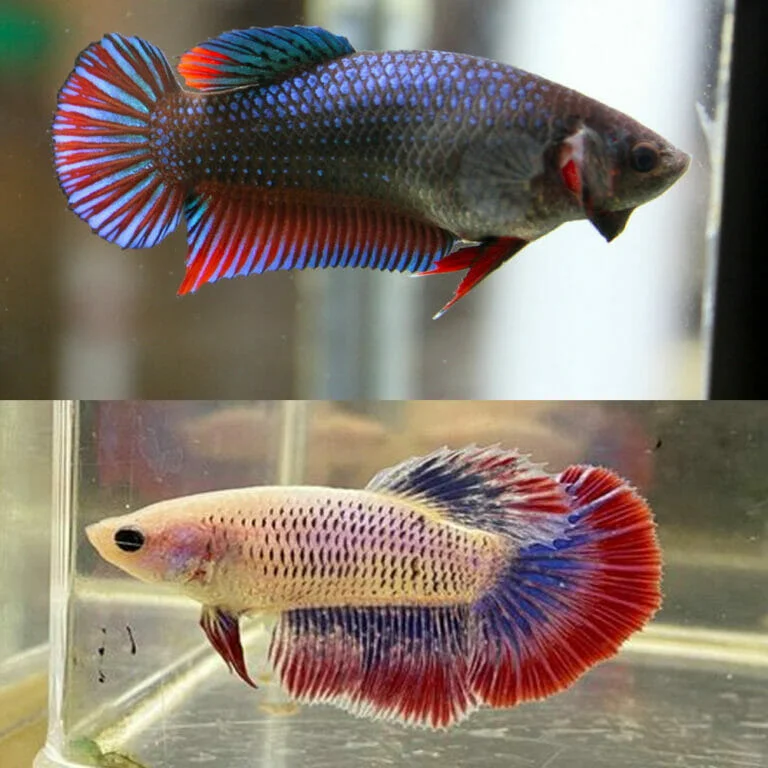
Female betta fish are often overshadowed by their colorful male counterparts, but they are just as fascinating, intelligent, and rewarding to keep. With their graceful movements, unique personalities, and vibrant colors, female bettas have become increasingly popular among beginner and experienced aquarium enthusiasts alike. Unlike the common misconception that bettas are only aggressive fish, female bettas display a wide range of behaviors that make them enjoyable pets when cared for properly.
If you’re considering adding a female betta fish to your aquarium or simply want to learn more about these beautiful freshwater fish, this guide covers everything you need to know. From choosing the right tank setup to feeding, breeding, health care, and social behavior, you’ll gain a complete understanding of how to keep your female betta healthy and happy.
What Is a Female Betta Fish?
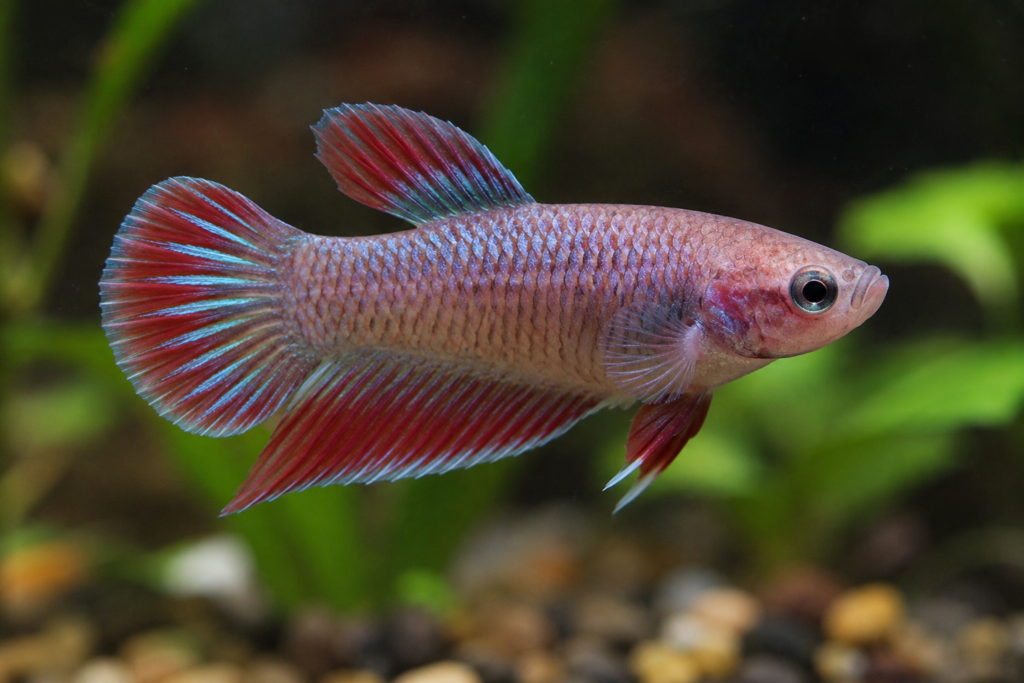
The female betta fish belongs to the species Betta splendens, a freshwater fish native to Thailand, Cambodia, Vietnam, and neighboring Southeast Asian countries. In the wild, they inhabit shallow rice paddies, slow-moving streams, and marshes where dense vegetation provides shelter and breeding grounds.
Female bettas are generally smaller and less flashy than males, but selective breeding has dramatically improved their coloration over the years. Today, you can find female bettas in brilliant shades of red, blue, turquoise, white, yellow, black, marble, koi, and even metallic colors that rival many males.
One of the biggest differences between male and female bettas is their fins. Females usually have shorter fins and a more streamlined body, making them excellent swimmers. Their shorter fins also reduce the risk of fin damage and infections compared to long-finned males.
Female Betta Fish Appearance
Although female bettas may appear modest compared to males at first glance, they possess plenty of beauty of their own. Modern breeding has produced females with vibrant colors and stunning patterns that make them standout additions to any aquarium.
Most female bettas grow between 2 and 2.5 inches long. Their bodies are slightly thicker around the abdomen, particularly when carrying eggs. They have shorter dorsal, caudal, and anal fins Female Betta Fish, giving them a sleek appearance that’s both elegant and practical.
One easy way to identify a mature female is by looking for the small white spot beneath her body near the ventral fins. This tiny dot is known as the egg spot or ovipositor and is a reliable indicator that you’re looking at a female.
Female Betta Fish Personality and Behavior
Female bettas are often described as curious, intelligent, and interactive fish. Many owners notice their bettas recognizing them during feeding time and swimming toward the front of the tank whenever someone approaches.
Although females are less aggressive than males, they are far from passive. Each fish develops its own personality, and some can be surprisingly bold or territorial. It’s common to see them exploring every Female Betta Fish corner of their aquarium, resting on plant leaves, or investigating decorations.
Unlike many aquarium fish, bettas breathe atmospheric oxygen using a labyrinth organ. This allows them to surface regularly for air, making access to the water’s surface essential for their well-being.
Can Female Betta Fish Live Together?
One of the most common questions new fish keepers ask is whether female bettas can share a tank. The answer is yes, but only under the right conditions.
Groups of female bettas are known as sororities. A successful sorority typically consists of five or more females housed in a spacious, heavily planted aquarium. Having multiple fish helps distribute aggression and prevents one individual from becoming the constant target of bullying.
Most female bettas grow between 2 and 2.5 inches long. Their bodies are slightly thicker around the abdomen, particularly when carrying eggs. They have shorter dorsal, caudal, and anal fins Female Betta Fish, giving them a sleek appearance that’s both elegant and practical.
One easy way to identify a mature female is by looking for the small white spot beneath her body near the ventral fins. This tiny dot is known as the egg spot or ovipositor and is a reliable indicator that you’re looking at a female.
Even in ideal conditions, there is no guarantee that every female will get along. Their personalities vary considerably, and some may become dominant. It’s important to monitor the group closely during the first several weeks and be prepared to separate any fish that experiences persistent harassment or injury.
The Best Tank Setup for Female Betta Fish
Providing the right aquarium environment is one of the most important aspects of keeping female bettas healthy. While many people mistakenly believe bettas can live comfortably in tiny bowls, they actually thrive in properly filtered and heated aquariums.
A single female betta should have at least a 5-gallon tank. Larger tanks provide better water stability, more swimming space, and easier maintenance. If you’re planning a sorority, a tank of 20 gallons or larger is strongly recommended.
Decorate the aquarium with live plants, driftwood, caves, and smooth rocks to create hiding spots and reduce stress. Live plants such as Anubias, Java Fern, Amazon Sword, and Water Sprite also help improve water quality while giving your betta comfortable resting places near the surface.
Maintain a water temperature between 76°F and 82°F (24°C to 28°C), with a pH ranging from 6.5 to 7.5. A gentle filter works best because female bettas dislike strong water currents that force them to swim constantly.
What Do Female Betta Fish Eat?
Female bettas are carnivorous fish that require a protein-rich diet to maintain their health and vibrant coloration. High-quality betta pellets should serve as the foundation of their feeding routine.
To provide balanced nutrition, supplement pellets with frozen or live foods like bloodworms, brine shrimp, daphnia, mosquito larvae, and mysis shrimp. These treats closely resemble the insects and small aquatic creatures bettas consume in their natural habitat.
Avoid overfeeding, as obesity and digestive problems are common among pet bettas. Feed small portions once or twice daily, offering only what your fish can finish within two to three minutes. Removing uneaten food helps maintain excellent water quality.
Choosing Tank Mates for Female Betta Fish
Female bettas can coexist with a variety of peaceful community fish, provided the aquarium offers enough space and hiding places. Their compatibility depends largely on individual temperament and careful species selection.
Good companions include Corydoras catfish, Kuhli loaches, Harlequin Rasboras, Ember Tetras, Neon Tetras, Otocinclus catfish, and certain peaceful snails or shrimp. These species generally avoid confrontation and occupy different areas of the aquarium.
Avoid housing female bettas with fin-nipping fish like Tiger Barbs or overly aggressive species such as cichlids. Long-finned fish that resemble male bettas may also trigger territorial behavior, leading to unnecessary stress and conflict.
Common Health Problems
Healthy female bettas are active, alert, and eager to eat. Any noticeable changes in behavior or appearance should be investigated promptly to prevent more serious illnesses.
Fin rot is one of the most common diseases affecting bettas. Poor water quality usually causes this bacterial infection, leading to frayed or deteriorating fins. Regular water changes and maintaining clean conditions significantly reduce the risk.
Other common issues include ich, velvet disease, fungal infections, swim bladder disorders, and constipation. Early diagnosis and proper treatment greatly improve recovery rates, making routine observation an important part of responsible fish keeping.
Breeding Female Betta Fish
Breeding bettas requires careful planning and should only be attempted by aquarists prepared to care for large numbers of fry. Unlike livebearing fish, bettas have a unique reproductive process involving bubble nests.
During courtship, the male constructs a bubble nest at the water’s surface. Once the female accepts the male, they perform an embrace in which eggs are released and fertilized. The male carefully gathers the eggs and places them inside the bubble nest.
After spawning, the female should be removed because the male becomes protective of the nest and may attack her. Once the fry hatch and become free-swimming, the male should also be separated to prevent predation.
Tips for Keeping Female Betta Fish Happy
Consistency plays a major role in maintaining a healthy female betta. Stable water parameters, regular maintenance, and a balanced diet create an environment where your fish can thrive for years.
Spend a few minutes each day observing your betta’s behavior. Changes in appetite, swimming patterns, or coloration often provide the earliest warning signs of illness. Quick action can prevent many health issues from becoming severe.
Adding enrichment to the aquarium keeps female bettas mentally stimulated. Rearranging decorations occasionally, introducing floating plants, and providing resting leaves encourage natural exploration while reducing boredom.
Final Thoughts
Female betta fish are intelligent, colorful, and surprisingly personable pets that deserve far more recognition than they often receive. Their active behavior, beautiful appearance, and relatively simple care requirements make them an excellent choice for both beginners and experienced aquarists. While they may not possess the extravagant fins of male bettas, their vibrant colors, energetic personalities, and adaptability more than make up for it.
By providing a properly sized aquarium, clean water, nutritious food, and a stress-free environment, you can enjoy many years with a healthy female betta fish. Whether you choose to keep a single female or establish a carefully managed sorority, these remarkable fish will reward you with endless curiosity, graceful swimming, and plenty of personality. With patience, attention, and proper care, your female betta can become one of the most captivating residents of your freshwater aquarium.


