

Introduction
The word favela often brings different images to people’s minds. Some think of colorful hillside neighborhoods, while others associate the term with poverty or crime. In reality, favelas are much more complex than the stereotypes often portrayed in movies or television. They are vibrant communities filled with hardworking families, small businesses, talented artists, entrepreneurs, and rich cultural traditions that have shaped modern Brazil in countless ways.
Understanding what a favela truly represents requires looking beyond sensational headlines and exploring the real stories of the people who call these neighborhoods home.
Favelas are informal urban settlements that developed primarily in Brazil due to rapid urbanization, economic inequality, and housing shortages. Although they are commonly linked with Rio de Janeiro, they exist in many Brazilian cities and continue to evolve with changing social and economic conditions.
Over the decades, many communities have improved infrastructure, expanded educational opportunities, and strengthened local organizations that work tirelessly to improve residents’ quality of life.
Today, discussions about favelas include topics such as affordable housing, social justice, urban planning, tourism, entrepreneurship, and community development. By understanding their history and present-day realities, it becomes easier to appreciate both the challenges and the incredible resilience found within these neighborhoods.
What Is a Favela?
A favela is an informal settlement that develops when people build homes on land without formal planning or official government approval. These neighborhoods often emerge because affordable housing is unavailable for low-income families moving into rapidly growing cities. Residents usually construct homes gradually, expanding and improving them over time as their financial situation allows.
Unlike traditional neighborhoods that are designed according to city planning regulations, favelas typically grow organically. Houses are built close together, narrow streets wind through steep hillsides, and infrastructure such as roads, drainage, electricity, and sanitation often develops gradually rather than all at once. Despite these limitations, many favelas have become stable communities where generations of families have lived for decades.
It is important to recognize that not every favela looks the same. Some remain underserved with limited public services, while others have developed paved streets, schools, health clinics, internet access, local businesses, restaurants, and even tourist attractions. Their diversity makes it impossible to describe all favelas using a single definition.
The History Behind the Development of Favelas

The origins of Brazilian favelas date back to the late nineteenth century. After military conflicts ended, many soldiers returned home without receiving the housing they had been promised. They settled on unused hillsides near urban centers and built makeshift homes. Over time, these settlements grew larger as more people arrived seeking employment opportunities.
During the twentieth century, Brazil experienced rapid industrialization and urban growth. Millions of people moved from rural areas into major cities hoping to find better jobs and improved living conditions. Unfortunately, urban housing construction could not keep pace with population growth. Many families had little choice but to establish homes in informal settlements that eventually became permanent communities.
Government policies have changed significantly throughout history. At certain times authorities attempted to remove entire communities, while in more recent decades many municipalities have focused on upgrading infrastructure and integrating favelas into the broader urban environment. These changing approaches reflect a growing understanding that improving existing communities is often more effective than forced relocation.
Daily Life Inside a Favela
Life inside a favela is far more dynamic than many outsiders imagine. Residents wake early for work, children attend school, shop owners open their businesses, and neighbors interact closely throughout the day. Like any community, daily routines revolve around family responsibilities, employment, education, and social activities.
Community relationships are often one of the greatest strengths of favela life. Many residents know one another personally, creating strong support networks that help families during difficult times. Festivals, local celebrations, sporting events, and religious gatherings play an important role in strengthening these connections and preserving neighborhood traditions.
Economic activity within favelas is surprisingly diverse. Small grocery stores, bakeries, beauty salons, repair shops, restaurants, delivery services, construction businesses, clothing stores, and technology startups all contribute to local economies. Many entrepreneurs successfully build businesses despite facing financial and structural obstacles that would discourage others.
Architecture and Urban Design in Favelas
The architecture found in favelas reflects decades of gradual development rather than centralized planning. Families often begin with simple structures and continue expanding their homes as resources become available. Additional rooms, extra floors, and renovations are completed over many years, creating neighborhoods with unique and constantly evolving appearances.
Because land is limited, homes are usually built close together. Narrow staircases, winding alleys, and interconnected pathways replace traditional city streets. While this creates challenges for transportation and emergency services, it also encourages close interaction among residents who regularly meet while walking through the neighborhood.
In recent years, architects and urban planners have become increasingly interested in studying favela construction techniques. Community-led improvements demonstrate remarkable creativity in maximizing limited space while adapting homes to steep terrain and changing family needs. These lessons have influenced discussions about affordable housing and sustainable urban development worldwide.
The Rich Culture Found in Favelas
One of the most remarkable aspects of favela communities is their cultural influence. Music, dance, art, food, and fashion have all been shaped by the creativity of residents who transformed limited resources into extraordinary cultural achievements. Brazilian culture would be impossible to fully understand without acknowledging the contributions made by favela communities.
Many internationally recognized music genres have strong connections to these neighborhoods. Local musicians often use their songs to tell stories about everyday life, hope, hardship, and resilience. These artistic expressions give voices to communities that have historically been underrepresented in mainstream media.
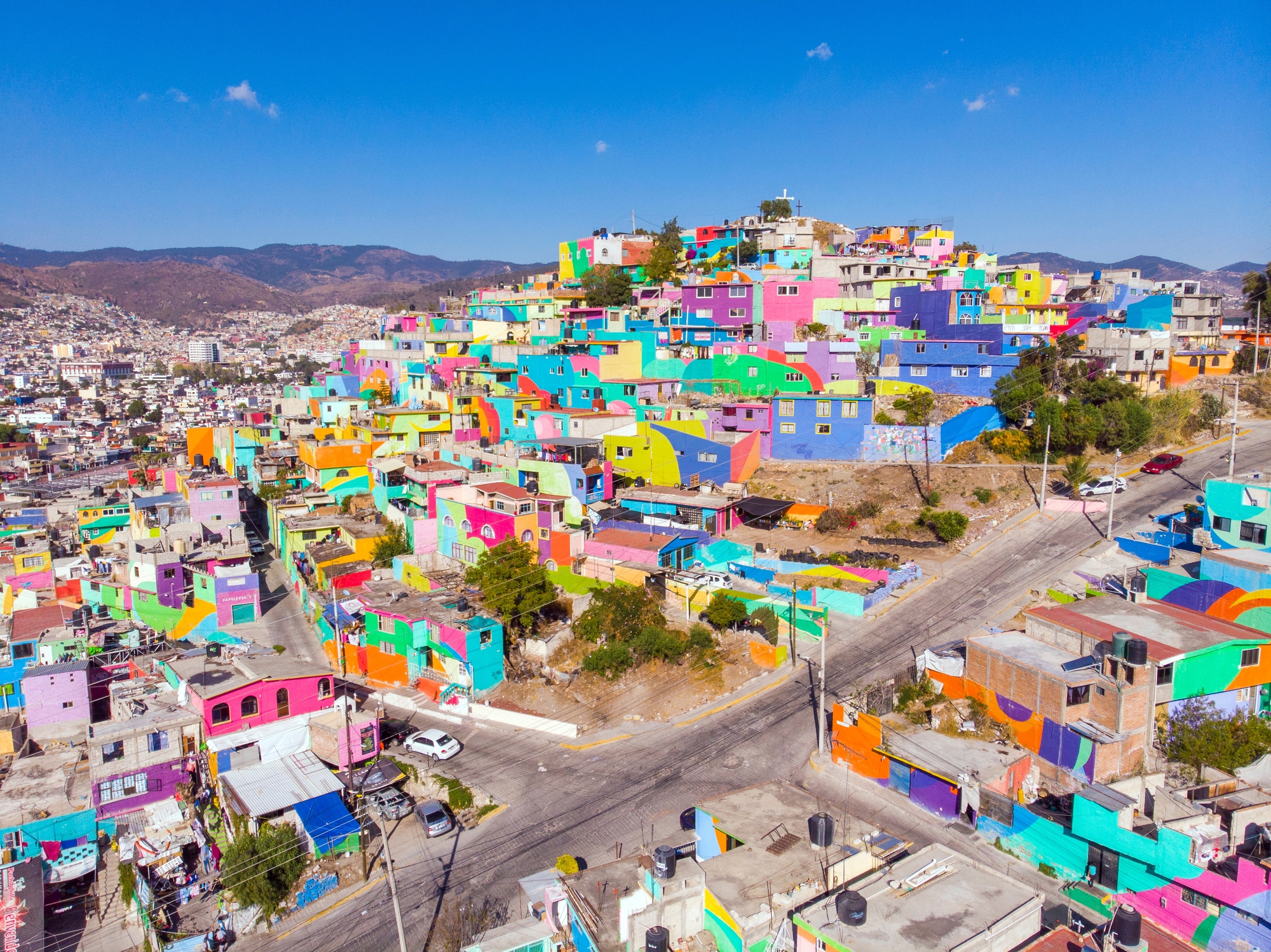
Street art and murals are another defining feature of many favelas. Bright colors cover walls, staircases, and public spaces, transforming neighborhoods into open-air galleries. These works of art celebrate local history, honor community leaders, and inspire younger generations while attracting visitors from around the world.
Education and Opportunities
Education plays a crucial role in changing lives within favela communities. Many children attend public schools while nonprofit organizations provide additional tutoring, vocational training, sports programs, and technology education. These initiatives help young people develop valuable skills that improve future employment opportunities.
Universities and private organizations have also expanded scholarship programs designed to increase educational access for students from underserved communities. Many graduates return to their neighborhoods as teachers, engineers, healthcare professionals, and entrepreneurs, creating positive cycles of development and leadership.
Digital technology has opened new possibilities as well. Remote work, online learning, social media marketing, and freelance careers allow talented individuals to reach global markets without leaving their communities. These opportunities continue to reshape local economies and inspire younger generations.
Common Challenges Faced by Favela Communities
Although many favelas have achieved impressive progress, important challenges remain. Access to quality healthcare, reliable sanitation, public transportation, and infrastructure varies significantly between communities. Some neighborhoods continue to experience shortages that affect residents’ daily lives.
Economic inequality also presents ongoing difficulties. Many families work long hours in low-paying jobs while facing higher living costs associated with transportation and housing improvements. Limited access to financial services and investment capital can make business growth more difficult for local entrepreneurs.
Public safety remains another concern in certain areas. However, it is essential to avoid assuming that every favela experiences the same security conditions. Some communities are peaceful and well-organized, while others continue addressing complex social issues through partnerships involving local organizations, residents, and public institutions.
Tourism in Brazilian Favelas
Favela tourism has become increasingly popular among visitors interested in experiencing authentic local culture beyond traditional tourist attractions. Guided tours introduce travelers to community history, local businesses, art projects, schools, and cultural initiatives while providing opportunities to learn directly from residents.
Responsible tourism focuses on respect, education, and economic benefit for local communities. Ethical tour operators work closely with neighborhood organizations to ensure visitors understand local customs and contribute positively through purchases from community businesses and support for local projects.
Tourists often leave with a completely different perspective after visiting a favela. Instead of seeing only poverty, they discover welcoming people, vibrant neighborhoods, innovative entrepreneurs, and inspiring stories of determination. These experiences help challenge misconceptions and encourage more balanced discussions about urban development.
The Role of Government and Community Organizations
Improving favela living conditions requires cooperation between governments, nonprofit organizations, private businesses, and local residents. Infrastructure investments such as paved roads, drainage systems, electricity upgrades, healthcare facilities, and educational institutions significantly improve quality of life when implemented effectively.
Community organizations often serve as the driving force behind local development. Volunteers organize educational workshops, environmental cleanup campaigns, youth programs, sports activities, cultural festivals, and job training initiatives. Their deep understanding of neighborhood needs allows them to create practical solutions that directly benefit residents.
Partnerships between universities, architects, engineers, and community leaders have also produced innovative housing improvement projects. These collaborations demonstrate that sustainable development works best when residents actively participate in planning decisions affecting their neighborhoods.
How Favelas Are Changing in the Modern Era
Modern technology has transformed many aspects of favela life. Smartphones, internet connectivity, digital banking, online education, and social media have expanded access to information and economic opportunities. Local entrepreneurs increasingly use e-commerce platforms to sell products across Brazil and internationally.
Urban renewal projects continue improving infrastructure in many communities. New transportation systems, sanitation improvements, healthcare centers, and educational facilities have enhanced living standards for thousands of families. While progress varies between neighborhoods, positive changes continue across many Brazilian cities.
Young leaders are also reshaping public perceptions of favelas through journalism, filmmaking, entrepreneurship, music, fashion, and community activism. Their work highlights the innovation and creativity found within these neighborhoods while advocating for greater social inclusion and equal opportunities.
Misconceptions About Favelas
One of the biggest misconceptions is that every favela is controlled by crime or unsafe for visitors. While some communities have experienced security challenges, many are peaceful residential neighborhoods where families have lived for generations. Generalizing all favelas ignores the diversity that exists across hundreds of different communities.
Another misunderstanding is that favela residents lack ambition or education. In reality, countless teachers, healthcare workers, engineers, artists, athletes, and successful entrepreneurs come from these neighborhoods. Many individuals overcome significant obstacles to build rewarding careers and contribute positively to society.
Some people also assume that favelas consist only of temporary housing. However, many homes have been expanded and improved over decades, becoming permanent family residences. Numerous communities now include schools, clinics, businesses, cultural centers, churches, and recreational facilities that serve thousands of residents every day.
Why Understanding Favelas Matters
Studying favelas provides valuable insights into urban development, affordable housing, economic inequality, and community resilience. As cities worldwide continue growing rapidly, many countries face similar housing challenges that require creative and inclusive solutions. Lessons learned from Brazilian communities can inform urban planning strategies elsewhere.
Favelas also demonstrate the importance of grassroots leadership. Residents consistently organize neighborhood improvements, support local businesses, mentor young people, and preserve cultural traditions despite limited resources. Their experiences highlight how strong communities can create meaningful progress through cooperation and determination.
Greater public understanding also helps reduce harmful stereotypes. Balanced conversations encourage empathy, informed policymaking, and stronger partnerships between governments, nonprofit organizations, businesses, and local residents working toward sustainable urban development.
Conclusion
The story of the favela is far more complex than simplistic portrayals often suggest. These communities emerged from historical housing shortages and rapid urbanization, but they have grown into vibrant neighborhoods filled with resilience, creativity, entrepreneurship, and cultural richness. While challenges related to infrastructure, inequality, and public services remain, countless residents continue working to improve their communities through education, innovation, and collective action.
Understanding favelas requires looking beyond stereotypes and recognizing both the struggles and the successes that define everyday life within these neighborhoods. Their influence on Brazilian music, art, cuisine, business, and culture is undeniable, and their stories continue inspiring people around the world.
As Brazil continues investing in urban development and community partnerships, many favelas are evolving into stronger, more connected neighborhoods with expanding opportunities for future generations. Rather than viewing them solely through the lens of hardship, it is more accurate to recognize favelas as living examples of resilience, adaptation, and the enduring strength of community.


