

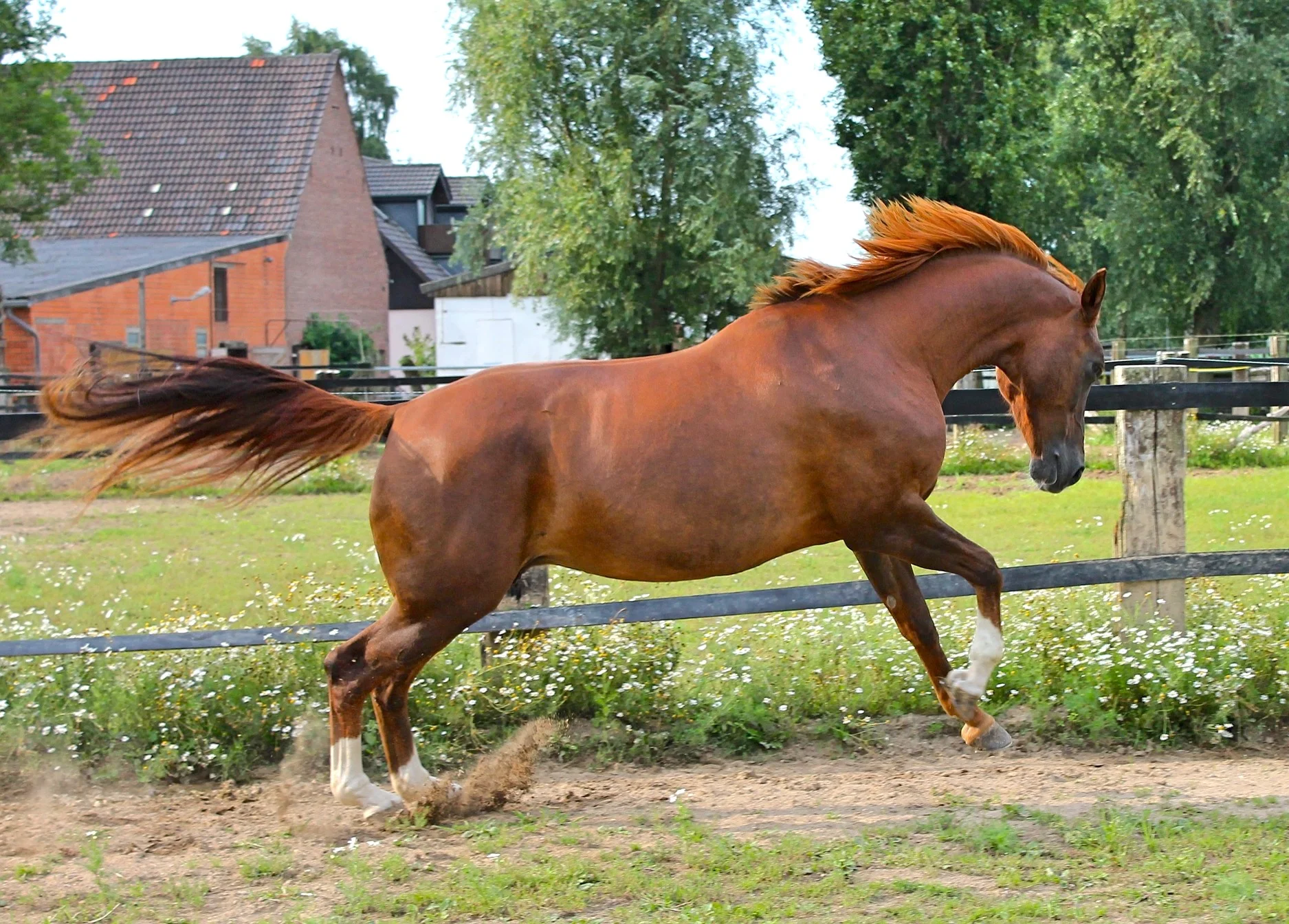
Introduction to Chestnut Mares
Among the many coat colors found in horses, chestnut remains one of the most admired and recognizable. Chestnut mares, in particular, have captured the attention of horse enthusiasts for generations because of their striking appearance, strong personalities, and remarkable versatility. Whether seen in competitive arenas, breeding programs, trail riding adventures, or simply grazing in open pastures, chestnut mares possess a unique charm that makes them stand out from the crowd.
A chestnut horse is characterized by a reddish-brown coat with a mane and tail that are typically the same color as the body or slightly lighter or darker. Unlike bay horses, chestnuts do not have black points on their legs, mane, or tail. The shade of chestnut can vary significantly, ranging from light golden tones to rich liver chestnut colors that almost appear chocolate brown in certain lighting conditions.
Many horse owners develop a special appreciation for chestnut mares because they often combine beauty with intelligence and athleticism. While coat color does not scientifically determine temperament, chestnut mares have become the subject of countless stories and traditions within the horse community. Some riders jokingly refer to the “chestnut mare attitude,” while others celebrate their spirited nature and determination. Regardless of the myths, chestnut mares continue to be among the most beloved horses worldwide.
Understanding the Chestnut Coat Color
The chestnut coat color results from a specific genetic combination that influences the production of pigment in a horse’s hair. Chestnut horses possess a recessive genetic trait that limits the production of black pigment, allowing red pigments to dominate. This genetic characteristic creates the distinctive reddish appearance associated with chestnut horses.
One of the fascinating aspects of chestnut mares is the incredible range of shades they can display. Light chestnuts often appear golden or copper-colored and may resemble palominos from a distance. Standard chestnuts feature the classic reddish-brown coat many people immediately recognize, while dark chestnuts and liver chestnuts display deeper, richer hues that can appear almost black in low light.
Environmental factors can also affect the appearance of a chestnut mare’s coat. Seasonal changes, nutrition, sunlight exposure, and grooming practices may influence the brightness and richness of the coat. During summer months, many chestnut mares develop a vibrant shine that highlights their natural beauty, while winter coats may appear darker and thicker.
The Unique Beauty of Chestnut Mares
There is something undeniably eye-catching about a chestnut mare standing proudly in a field. The warm tones of her coat often create a striking contrast against green pastures, blue skies, and natural landscapes. This visual appeal has made chestnut mares popular subjects in paintings, photography, and equestrian advertisements.
The beauty of chestnut mares extends beyond color alone. Their coats often exhibit a natural glow that reflects sunlight beautifully. Proper grooming can further enhance this shine, making the horse appear polished and healthy. Horse show judges frequently appreciate well-maintained chestnut horses because their condition is often easy to evaluate due to the coat’s visibility.
A chestnut horse is characterized by a reddish-brown coat with a mane and tail that are typically the same color as the body or slightly lighter or darker. Unlike bay horses, chestnuts do not have black points on their legs, mane, or tail. The shade of chestnut can vary significantly, ranging from light golden tones to rich liver chestnut colors that almost appear chocolate brown in certain lighting conditions.
Many horse lovers also appreciate the diversity within the chestnut category. From bright copper-colored mares to deep liver chestnuts, each horse possesses a unique appearance while still sharing the same basic genetic foundation. This variation ensures that no two chestnut mares look exactly alike, adding to their appeal and individuality.
Temperament and Personality Traits
When discussing chestnut mares, conversations often turn toward temperament. Within horse communities, there is a long-standing stereotype suggesting that chestnut mares possess particularly strong personalities. While scientific evidence does not support a direct link between coat color and behavior, the reputation persists in barns and riding arenas around the world.
Many owners describe their chestnut mares as intelligent, confident, and highly expressive. These horses often develop strong bonds with their handlers and demonstrate a keen awareness of their surroundings. Their intelligence can make them quick learners, but it may also mean they require consistent training and clear communication.
It is important to remember that every horse is an individual. Genetics, training, management, environment, and life experiences play much larger roles in shaping behavior than coat color. Some chestnut mares are calm and gentle, while others are energetic and spirited. Successful horse ownership depends on understanding the individual horse rather than relying on color-based assumptions.
Popular Horse Breeds That Feature Chestnut Mares
Chestnut coloration appears in numerous horse breeds around the world. Some breeds are particularly known for producing beautiful chestnut mares that excel in various disciplines and activities.
The American Quarter Horse frequently displays chestnut coloration. These horses are renowned for their athleticism, versatility, and calm demeanor. Chestnut Quarter Horse mares often participate in ranch work, western riding competitions, and recreational riding programs.
The Arabian breed also includes many chestnut mares. Arabian horses are famous for their endurance, intelligence, and refined appearance. Chestnut Arabians often exhibit striking facial features and elegant movement, making them popular in both competition and breeding programs.
Many owners describe their chestnut mares as intelligent, confident, and highly expressive. These horses often develop strong bonds with their handlers and demonstrate a keen awareness of their surroundings. Their intelligence can make them quick learners, but it may also mean they require consistent training and clear communication.
Thoroughbreds represent another breed where chestnut coloration is common. Many successful racehorses have been chestnut mares, demonstrating exceptional speed and determination on the racetrack. Beyond racing, Thoroughbred mares often transition into sport horse careers, excelling in jumping, dressage, and eventing.
Training and Managing Chestnut Mares
Training a chestnut mare follows the same fundamental principles used with any horse. Consistency, patience, positive reinforcement, and clear communication remain essential for developing trust and understanding. Because many chestnut mares are intelligent and responsive, they often benefit from training sessions that challenge them mentally as well as physically.
Establishing a routine can help create stability and confidence. Horses generally thrive on predictable schedules, and chestnut mares are no exception. Regular feeding times, exercise sessions, and grooming routines contribute to a horse’s overall well-being and willingness to cooperate.
Effective management also involves recognizing the horse’s individual needs. Some mares require more turnout time to burn excess energy, while others may prefer quiet environments and gentle handling. Paying attention to behavioral cues allows owners to make adjustments that support the horse’s comfort and performance.
Nutrition and Health Care
Maintaining a healthy chestnut mare begins with proper nutrition. A balanced diet consisting of quality forage, appropriate concentrates, fresh water, and necessary supplements provides the foundation for overall health. Nutritional needs vary depending on age, workload, reproductive status, and health conditions.
Regular veterinary care is equally important. Routine vaccinations, dental examinations, parasite control, and wellness checks help prevent health problems and ensure early detection of potential issues. Preventive care often saves horse owners significant expenses while supporting the horse’s long-term quality of life.
Hoof care should never be overlooked. Regular trimming and farrier visits help maintain proper balance and movement. Since healthy hooves are essential for performance and comfort, consistent hoof maintenance remains one of the most important aspects of horse ownership.
Chestnut Mares in Competition
Chestnut mares compete successfully in nearly every equestrian discipline imaginable. From dressage and show jumping to barrel racing and endurance riding, these horses have demonstrated remarkable athletic ability and determination.
In dressage, chestnut mares often attract attention due to their expressive movement and elegant appearance. Their vibrant coats can create a memorable impression in the show ring, especially when paired with excellent training and presentation.
Western disciplines also feature many successful chestnut mares. Their agility, responsiveness, and work ethic make them valuable partners in events such as reining, cutting, and barrel racing. Riders frequently appreciate mares that possess both athletic talent and strong competitive instincts.
Endurance competitions represent another area where chestnut mares excel. Their stamina, intelligence, and willingness to work over long distances contribute to impressive performances on challenging courses. Success in endurance riding highlights the versatility and resilience that many chestnut mares possess.
Breeding Considerations for Chestnut Mares
Breeding a chestnut mare requires thoughtful planning and careful evaluation of genetics, conformation, temperament, and performance traits. Responsible breeding aims to improve future generations while maintaining the health and welfare of both mare and foal.
Understanding coat color genetics can help breeders predict potential offspring colors. Because chestnut is a recessive trait, the resulting foal’s color depends on the genetic contributions of both parents. However, experienced breeders generally prioritize health, soundness, and athletic ability over color alone.
Proper reproductive management is essential throughout the breeding process. Veterinary monitoring, nutritional support, and appropriate housing contribute to successful pregnancies and healthy foals. Breeding decisions should always be guided by long-term goals and a commitment to responsible horse ownership.
Common Myths About Chestnut Mares
Perhaps no horse color has inspired as many myths and legends as the chestnut mare. One of the most common beliefs suggests that chestnut mares are naturally more difficult, stubborn, or emotional than other horses. While these stories are widespread, scientific evidence does not support such claims.
Behavioral differences among horses result from a complex combination of genetics, training, management, environment, and individual personality. Attributing behavior solely to coat color oversimplifies the many factors that influence equine temperament.
Another myth suggests that chestnut mares are less reliable than geldings or horses of other colors. In reality, reliability depends on proper training, consistent handling, and a suitable rider-horse partnership. Countless chestnut mares have proven themselves as dependable companions, successful competitors, and trusted family horses.
Grooming Tips for a Stunning Chestnut Coat
A well-groomed chestnut mare can be absolutely breathtaking. Regular grooming removes dirt, stimulates circulation, and distributes natural oils throughout the coat, enhancing shine and overall appearance.
Brushing should be performed consistently using appropriate tools for different parts of the body. Curry combs help loosen dirt and debris, while soft brushes smooth the coat and create a polished finish. Paying special attention to the mane and tail helps prevent tangles and breakage.
Nutrition also plays a significant role in coat quality. Horses receiving balanced diets with adequate vitamins, minerals, and fatty acids often display healthier, shinier coats. Combined with proper grooming practices, good nutrition allows chestnut mares to showcase their natural beauty throughout the year.
Why Horse Lovers Adore Chestnut Mares
Chestnut mares continue to enjoy immense popularity among horse enthusiasts for many reasons. Their striking appearance, diverse shades, and memorable personalities make them unforgettable companions. Whether serving as competitive athletes, breeding stock, or cherished recreational horses, they leave lasting impressions on those who work with them.
Many owners develop deep emotional connections with their chestnut mares because these horses often display strong character and intelligence. The partnership formed through training, care, and shared experiences creates bonds that can last a lifetime.
The enduring appeal of chestnut mares ultimately comes down to their individuality. Each horse possesses unique qualities that contribute to her charm and value. While stories and stereotypes may persist, the true beauty of a chestnut mare lies in her character, abilities, and the special relationship she shares with her human companions.
Conclusion
Chestnut mares represent some of the most admired and recognizable horses in the equine world. Their beautiful coats, impressive versatility, and engaging personalities have earned them a special place in the hearts of riders, breeders, and horse lovers everywhere. From the science behind their coat color to their success in competition and breeding programs, chestnut mares continue to demonstrate why they remain so highly respected.
Understanding these remarkable horses requires looking beyond myths and focusing on the qualities that truly matter: health, training, temperament, and partnership. Every chestnut mare is unique, bringing her own strengths, challenges, and rewards to the people fortunate enough to know her.
Whether you are considering purchasing a chestnut mare, breeding one, or simply admire them from afar, there is no denying their lasting appeal. Their beauty, intelligence, and spirit ensure that chestnut mares will continue to captivate horse enthusiasts for generations to come.

