
Introduction
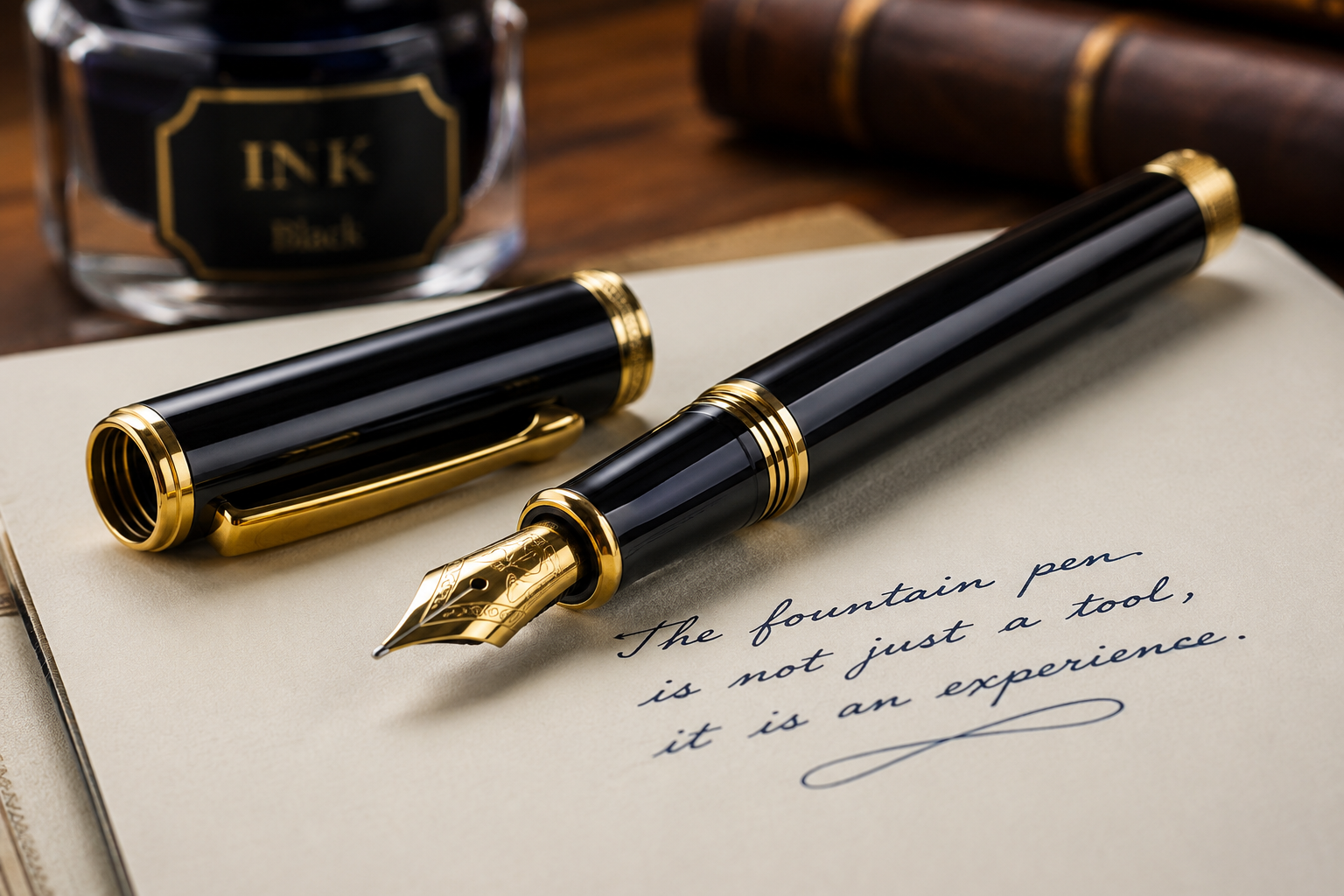
A fountain pen is more than just a writing tool. It represents craftsmanship, elegance, and a timeless writing experience that no ordinary ballpoint or gel pen can truly match. Whether you’re a student, professional, artist, collector, or someone who simply enjoys putting pen to paper, a fountain pen can completely transform the way you write.
Unlike disposable pens, fountain pens are designed to last for years, and in many cases, decades. Their smooth ink flow, customizable nibs, and refillable ink systems make them a favorite among writing enthusiasts worldwide. Many people who switch to fountain pens never return to traditional disposable pens because of the comfort and precision they provide.
In this guide, you’ll learn everything you need to know about fountain pes, including how they work, their benefits, different types, how to choose one, maintenance tips, and common mistakes beginners should avoid. By the end, you’ll understand why fountain pens continue to remain popular even in today’s digital world.
What Is a Fountain Pen?

A fountain pen is a refillable writing instrument that uses liquid ink delivered through a metal nib. Instead of relying on pressure like a ballpoint pen, a fountain pen allows ink to flow naturally through capillary action, creating an incredibly smooth writing experience.
The history of fount dates back hundreds of years, but modern fountain pes became widely popular during the late nineteenth and early twentieth centuries. Before the rise of ballpoint pens, fountain pe were the primary writing instruments used by professionals, students, government officials, and authors around the world.
Today’s fountain pens combine classic design with modern engineering. They come in a wide variety of styles, materials, nib sizes, and filling mechanisms, making them suitable for everyone from beginners to experienced collectors.
Why People Still Love Fountain Pens
One of the biggest reasons people choose fountain pens is the smooth writing experience. The ink flows effortlessly across paper, reducing the amount of pressure needed to write. This makes writing feel natural and enjoyable, especially during long writing sessions.
Many writers also appreciate the personality a fountain pen brings to their handwriting. Different nib sizes and flexible nibs create unique line variations that give writing more character. This is one reason fountain pens are widely used for journaling, calligraphy, note-taking, and signing important documents.
Another major advantage is sustainability. Instead of throwing away disposable pens every few weeks, fountain pens can be refilled repeatedly with bottled ink or ink cartridges. This reduces waste and often saves money over time while offering access to hundreds of beautiful ink colors.
How a Fountain Pen Works
A fountain pen works through a carefully designed system consisting of the nib, feed, ink reservoir, and grip section. The nib transfers ink onto the paper while the feed regulates the flow to ensure consistent writing without flooding or skipping.
Inside the pen, ink is stored in a cartridge, converter, piston reservoir, or another filling system. As you write, gravity and capillary action move ink toward the nib. At the same time, air enters the ink chamber to replace the used ink, maintaining balanced pressure.
Although the mechanism sounds complex, modern fountain pens are remarkably reliable. With proper cleaning and quality ink, they provide smooth performance for years without significant maintenance problems.
Different Types of Fountain Pens
Cartridge fountain pns are among the easiest to use. They accept pre-filled ink cartridges that can be replaced within seconds. This makes them ideal for beginners or anyone who wants a mess-free writing experience.
Converter fountain pens offer greater flexibility because they can use bottled ink. A converter acts like a reusable cartridge, allowing users to enjoy a much wider selection of ink colors while reducing long-term costs.
Piston-filling fountain pens have a built-in filling mechanism that draws ink directly into the pen body. These pens usually hold more ink than cartridge models and are highly valued by experienced fountain pen users who write frequently.
Vacuum fillers and eyedropper fountain pes represent more advanced filling systems. They provide exceptionally large ink capacity and are often preferred by enthusiasts who appreciate engineering and craftsmanship.
Understanding Fountain Pen Nibs
The nib is the heart of every fountain pen. It determines how the pen feels, how much ink flows, and the appearance of your handwriting. Most nibs are made from stainless steel or gold, with each offering a unique writing experience.
Extra Fine nibs create very thin lines, making them ideal for detailed writing, small handwriting, and office work. Fine nibs remain one of the most popular choices because they balance precision with smoothness.
Medium nibs produce darker, wetter lines and feel smoother on paper. Broad nibs create bold writing with greater ink flow, making them excellent for signatures, journaling, and expressive handwriting.
Some specialty nibs include stub, italic, and flex nibs. These provide beautiful line variation and are popular among artists, calligraphers, and handwriting enthusiasts looking to add personality to their writing.
Choosing the Right Fountain Pen
Beginners should focus on comfort rather than expensive materials. A lightweight pen with a comfortable grip often provides a better writing experience than an expensive luxury model that feels awkward in the hand.
Consider how you’ll use the pen. If you plan to carry it daily, choose a durable pen with a secure cap and reliable cartridge system. If the pen will stay on your desk, a piston-filling model with larger ink capacity may be more convenient.
Your handwriting style also matters. People with smaller handwriting usually prefer Fine or Extra Fine nibs, while those who enjoy larger, expressive writing often choose Medium or Broad nibs. Trying different nib sizes can help you discover your personal preference.
Best Ink Choices for Fountain Pens
Fountain pen ink comes in thousands of colors, ranging from traditional black and blue to vibrant reds, greens, purples, and shimmering specialty inks. Using quality fountain pn ink ensures reliable flow and protects your pen.
Never use India ink, calligraphy ink, or drawing ink inside a fountain pn. These inks contain ingredients that can clog the feed and permanently damage the pen’s internal components.
Water-resistant and permanent inks are excellent for official documents, while washable inks are popular for everyday writing. Beginners often start with standard blue or black ink before exploring more colorful options.
Benefits of Using a Fountain Pen
Many people experience less hand fatigue when writing with a fountain pn because it requires minimal pressure. This makes it particularly helpful for students, professionals, and anyone who writes for extended periods.
Fountain pns encourage slower, more thoughtful handwriting. Many users find that this improves handwriting quality while making note-taking and journaling more enjoyable. The writing process becomes relaxing rather than rushed.
Another significant advantage is long-term value. Although quality fountain pens may cost more initially, their refillable design means they can last for many years with proper care, making them an economical investment over time.
Caring for Your Fountain Pen
Cleaning your fountain pen regularly helps maintain smooth ink flow. Most pens only require flushing with clean, lukewarm water every few weeks, especially when changing ink colors.
Always store your fountain pe with the cap securely attached to prevent the nib from drying out. If you won’t use the pen for several weeks, empty the ink and clean it before storage.
Handle the nib gently and avoid pressing hard while writing. Fountain pes are designed to glide across paper naturally, and excessive pressure can damage the delicate nib over time.
Common Mistakes Beginners Should Avoid
One common mistake is using the wrong type of ink. Only inks specifically labeled for fountain pens should be used. Using unsuitable ink can clog the feed and shorten the pen’s lifespan.
Many beginners also apply too much pressure while writing. Unlike ballpoint pens, fountain pens require almost no pressure. Let the pen’s own weight do most of the work for smoother writing.
Another mistake is neglecting regular cleaning. Even high-quality ink leaves small residues over time, so periodic maintenance helps prevent skipping, hard starts, and inconsistent ink flow.
Are Fountain Pens Worth Buying?
For many people, the answer is absolutely yes. A fountain pn offers a writing experience that combines comfort, style, and reliability. Whether you’re taking notes, writing letters, keeping a journal, or signing documents, it makes everyday writing feel more enjoyable.
The wide variety of affordable beginner models means you don’t have to spend a fortune to enjoy the benefits of fountain pn writing. As your interest grows, you can explore premium pens, specialty nibs, and unique ink collections.
Many fountain pn owners discover that writing becomes a hobby rather than simply a daily task. Collecting pens, experimenting with inks, and improving handwriting all become rewarding parts of the experience.
Tips for Getting the Most from Your Fountain Pen
Use high-quality paper whenever possible. Fountain pen-friendly paper reduces feathering, bleeding, and ink spread, resulting in cleaner and more attractive handwriting.
Experiment with different inks over time. Each ink has its own flow characteristics, drying time, shading, and color depth, allowing you to customize your writing experience according to your personal preferences.
Practice writing regularly. As you become familiar with your fountain pen, your handwriting often becomes smoother, more consistent, and more enjoyable. Small improvements in technique can greatly enhance your overall experience.
Conclusion
A fountain pen remains one of the finest writing instruments ever created. Its smooth ink flow, elegant design, refillable system, and personalized writing experience make it a favorite among writers, students, professionals, and collectors alike. While modern technology has changed the way we communicate, the simple pleasure of writing with a fountain pen continues to endure.
Choosing the right fountain pen doesn’t require expert knowledge or a large budget. By understanding different nibs, filling systems, inks, and maintenance techniques, anyone can enjoy the benefits of this timeless writing instrument. Whether you’re buying your first fountain pen or adding another one to your growing collection, proper care and regular use will ensure years of dependable performance.
In a world filled with disposable products, a fountain pen stands as a symbol of quality, sustainability, and thoughtful craftsmanship. It transforms ordinary writing into an enjoyable experience, making every note, letter, and signature feel a little more meaningful.


