

Introduction
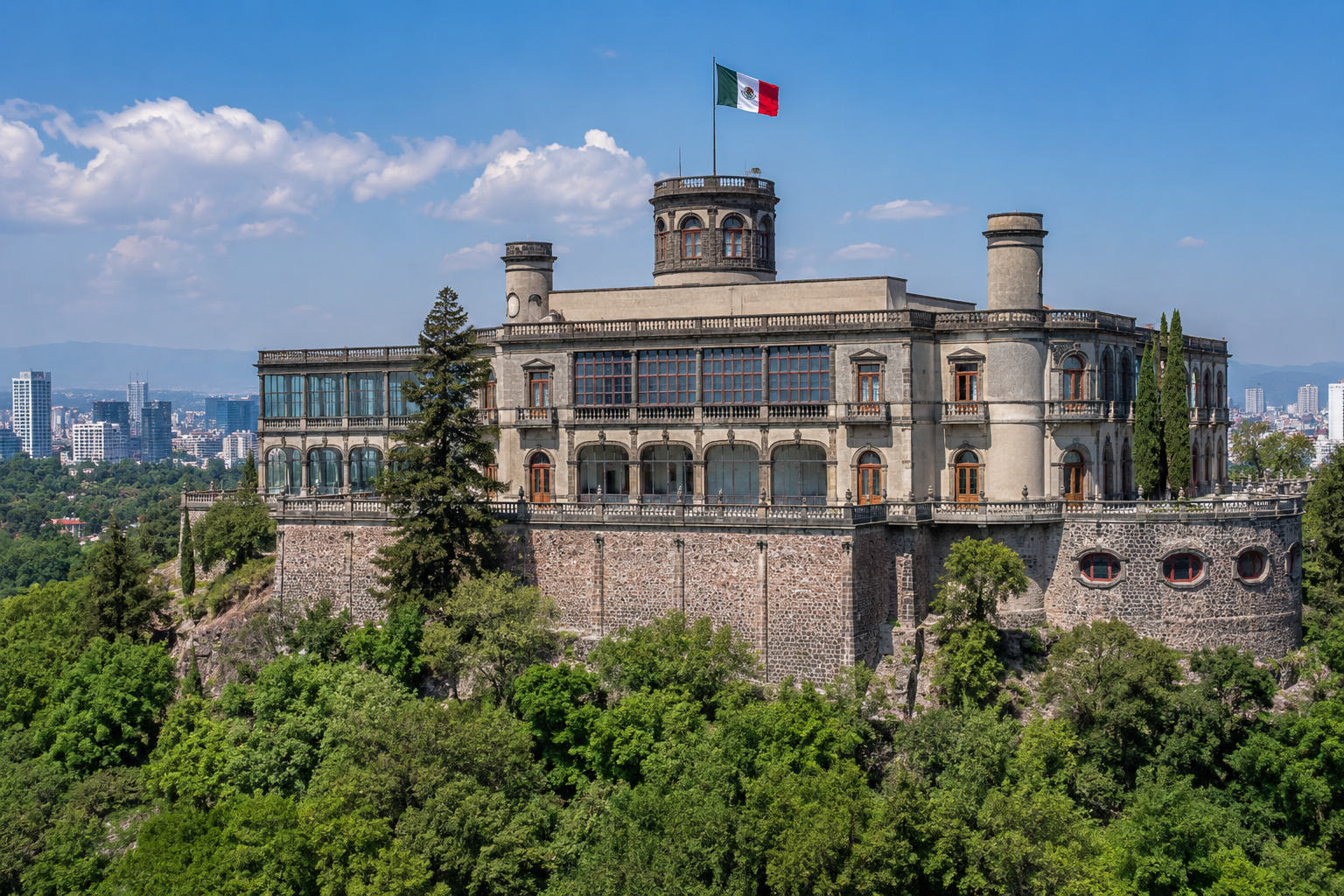
Chapultepec Castle is one of the most remarkable landmarks in Mexico, blending centuries of history, breathtaking architecture, and unforgettable panoramic views into a single destination. Sitting proudly on the top of Chapultepec Hill in the heart of Mexico City, the castle has witnessed some of the country’s most significant historical events. From serving as a royal residence to becoming the home of presidents and eventually transforming into a world-class museum, Chapultepec Castle continues to attract millions of visitors every year. It is much more than a beautiful building—it is a symbol of Mexico’s resilience, culture, and national identity.
Unlike many castles around the world that are surrounded by medieval villages, Chapultepec Castle overlooks the massive Chapultepec Forest, one of the largest urban parks in the Western Hemisphere. This unique setting makes the castle feel peaceful despite being located in one of the world’s busiest cities. Whether you’re a history enthusiast, an architecture lover, or simply someone looking for spectacular city views, Chapultepec Castle offers an unforgettable experience.
In this complete guide, you’ll discover everything you need to know about Chapultepec Castle, including its fascinating history, architectural highlights, museum collections, famous legends, visitor information, and practical travel tips.
The History of Chapultepec Castle
Chapultepec Castle has a history that stretches back long before the building itself existed. The hill on which the castle stands was considered sacred by the Aztecs. The word “Chapultepec” comes from the Nahuatl language and means “Hill of the Grasshopper.” For centuries, the hill served as an important ceremonial and strategic location because of its natural springs and elevated position overlooking the surrounding valley.
Construction of the castle officially began in 1785 during the Spanish colonial period. Bernardo de Gálvez, who served as the Viceroy of New Spain, ordered the construction of a grand residence on the hill. Unfortunately, he passed away before the project was completed, leaving the partially built structure abandoned for several years. During this period, the unfinished castle gained a mysterious reputation among local residents, who believed it was haunted due to its isolated location.
As Mexico entered the nineteenth century, the castle found new purposes. It became a military academy and played an important role during several conflicts. One of the most famous moments in its history occurred during the Battle of Chapultepec in 1847, when Mexican military cadets defended the castle against invading American forces during the Mexican-American War. Their bravery remains one of the country’s most celebrated acts of patriotism.
Chapultepec Castle During the Mexican Empire
One of the most fascinating chapters in the castle’s history began when Emperor Maximilian I and Empress Carlota selected Chapultepec Castle as their official residence in the 1860s. Invited by French forces during the Second Mexican Empire, Maximilian sought to transform the castle into a luxurious European-style palace that reflected imperial elegance.
The emperor ordered extensive renovations throughout the property. Grand staircases, elaborate gardens, marble floors, crystal chandeliers, elegant reception rooms, and beautifully decorated living quarters turned the castle into one of the finest royal residences in the Americas. European architects and artists contributed to many of the decorative elements that visitors still admire today.
Although Maximilian’s reign lasted only a few years before he was overthrown and executed in 1867, his influence remains visible throughout the castle. Many rooms have been carefully restored to reflect how they appeared during the imperial era, giving visitors an authentic glimpse into royal life in nineteenth-century Mexico.
From Presidential Residence to National Museum
Following the end of the empire, Chapultepec Castle entered another important phase of its history. Instead of remaining a royal palace, it became the official residence for several Mexican presidents. Leaders such as Porfirio Díaz made significant additions and modernized many areas of the building while preserving its historical character.
For decades, the castle functioned as both a government residence and an administrative center. Presidential offices, reception halls, and private living quarters reflected the evolving political landscape of Mexico. Important decisions affecting the nation were made within its walls, adding another layer of historical significance.
In 1944, the castle officially became the National Museum of History. Since then, it has welcomed visitors from around the world who come to explore Mexico’s rich past through carefully curated exhibitions, historical artifacts, artwork, weapons, documents, and preserved royal rooms. This transformation ensured that one of Mexico’s greatest historical treasures would be protected for future generations.
Architectural Beauty That Captivates Every Visitor
Chapultepec Castle showcases an impressive blend of architectural styles that reflects the various periods during which it was expanded and renovated. Visitors can easily notice influences from Spanish colonial design, French neoclassical architecture, and European palace aesthetics. This combination creates a visually stunning landmark unlike any other in North America.
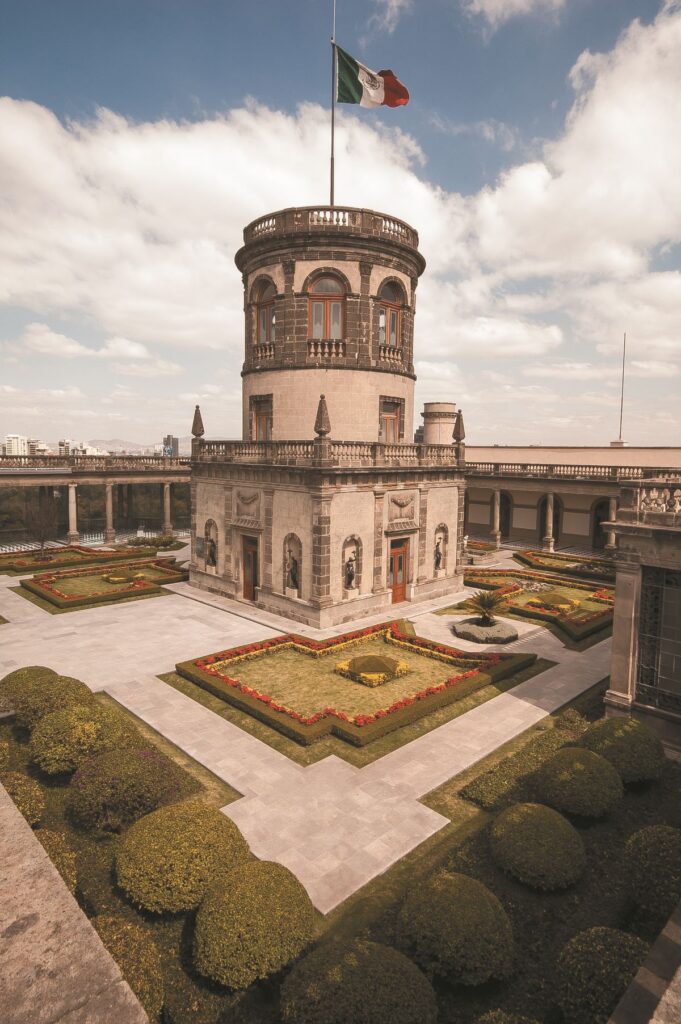
The castle’s exterior immediately impresses visitors with its elegant balconies, stone facades, decorative towers, and beautifully maintained terraces. Every angle offers incredible photo opportunities, especially with Mexico City’s skyline stretching into the distance. The castle’s elevated position enhances its majestic appearance while providing breathtaking panoramic views.
Inside, the attention to detail is equally remarkable. Ornate ceilings, stained-glass windows, carved wooden doors, polished marble floors, intricate fireplaces, and luxurious furniture demonstrate the level of craftsmanship invested in the building. Walking through the halls feels like stepping into another era where elegance and history coexist beautifully.
Exploring the National Museum of History
Today, the National Museum of History occupies most of Chapultepec Castle, offering visitors a comprehensive journey through Mexico’s fascinating past. The museum features numerous galleries organized chronologically, allowing guests to understand the country’s development from colonial times through the modern era.
One of the museum’s greatest strengths is its diverse collection of historical artifacts. Visitors can examine original weapons, military uniforms, ancient maps, official documents, personal belongings of historical figures, coins, flags, and furniture used by emperors and presidents. These objects help transform historical events into tangible experiences.
The museum also contains an exceptional collection of murals created by some of Mexico’s most celebrated artists. These large-scale paintings vividly depict important moments in Mexican history while expressing themes of independence, revolution, and national identity. Even visitors with limited historical knowledge often find these visual displays both educational and inspiring.
The Famous Battle of Chapultepec
No discussion of Chapultepec Castle would be complete without mentioning the Battle of Chapultepec. During the Mexican-American War in September 1847, American forces launched an assault on the military academy located within the castle. Despite overwhelming odds, Mexican soldiers and cadets fought courageously to defend the fortress.
Among the defenders were six young military cadets who became known as the Niños Héroes, or Hero Children. According to Mexican tradition, these young men refused to surrender even as defeat became inevitable. Their bravery has become deeply rooted in Mexican national identity and continues to inspire generations.
Today, visitors can learn about the battle through museum exhibits, historical displays, and nearby monuments dedicated to the fallen heroes. Their sacrifice represents courage, patriotism, and unwavering commitment to defending one’s homeland, making the battle one of the most emotionally significant chapters in the castle’s history.
The Stunning Gardens and Scenic Views
While the castle’s interior attracts history lovers, its outdoor spaces are equally impressive. The surrounding gardens have been carefully maintained and feature colorful flowers, elegant pathways, fountains, sculptures, and peaceful seating areas where visitors can relax while enjoying the natural surroundings.
One of the highlights is the castle’s terraces, which offer spectacular panoramic views of Mexico City. From these elevated viewpoints, visitors can see major landmarks, tree-lined avenues, and the vast greenery of Chapultepec Forest. On clear days, the scenery stretches for miles, making it one of the city’s best observation points.
Photography enthusiasts especially appreciate the castle’s outdoor spaces. Whether capturing sunrise, sunset, architectural details, or wide city landscapes, nearly every corner provides postcard-worthy images. Many travelers consider these views alone worth the climb to the top of Chapultepec Hill.
Why Chapultepec Castle Is So Important to Mexican Culture
Chapultepec Castle is much more than an architectural attraction. It represents centuries of Mexican history, including indigenous traditions, colonial rule, imperial ambitions, military sacrifice, political transformation, and national pride. Few locations embody so many different periods of the country’s story within a single site.
For Mexican citizens, the castle serves as a powerful reminder of the nation’s resilience. Historical events that occurred here shaped the country’s political development and continue to influence how many people understand their national identity. Educational visits by students help ensure that younger generations remain connected to this important heritage.
International visitors also gain valuable insight into Mexico beyond its beaches and resorts. Exploring Chapultepec Castle reveals the country’s rich cultural legacy, artistic achievements, and complex historical journey. It provides context that enhances appreciation for Mexico’s traditions, people, and modern society.
Tips for Visiting Chapultepec Castle
Planning ahead can significantly improve your visit to Chapultepec Castle. Arriving early in the morning allows you to avoid larger crowds while enjoying cooler temperatures, especially during warmer months. Comfortable walking shoes are recommended because reaching the castle involves an uphill walk through beautiful park pathways.
Visitors should allocate at least three to four hours to fully explore both the museum and surrounding gardens. History enthusiasts may easily spend an entire day examining exhibits, reading informational displays, and admiring architectural details throughout the property.
Bringing a camera is highly recommended because photography opportunities are abundant. While some museum areas may have restrictions regarding flash photography, the outdoor terraces, gardens, and viewpoints provide endless chances to capture memorable images of both the castle and Mexico City’s skyline.
Best Time to Visit Chapultepec Castle
Chapultepec Castle can be visited throughout the year thanks to Mexico City’s relatively mild climate. Spring and autumn are generally considered the most pleasant seasons because temperatures remain comfortable and the surrounding gardens appear especially vibrant.
Weekdays typically offer a quieter experience compared to weekends, when both tourists and local families visit the park. Arriving shortly after opening time allows visitors to explore many exhibits before larger crowds begin to arrive later in the day.
Weather conditions also influence the overall experience. Clear skies enhance the panoramic city views from the castle’s terraces, making sunny days particularly rewarding for sightseeing and photography. Even during the rainy season, brief afternoon showers are common, so morning visits remain an excellent option.
Interesting Facts About Chapultepec Castle
Chapultepec Castle is the only true royal castle in North America that officially housed emperors. This distinction makes it unique among historical landmarks across the continent and adds to its international appeal.
The castle has appeared in numerous films, documentaries, television programs, and travel features due to its impressive architecture and dramatic setting. Its elegant halls and scenic surroundings continue to attract filmmakers from around the world.
Many visitors are surprised to discover that the castle sits more than 2,300 meters above sea level. Combined with its hilltop location, this elevation contributes to the spectacular panoramic views that have made Chapultepec Castle one of Mexico City’s most photographed landmarks.
Conclusion
Chapultepec Castle stands as one of Mexico’s greatest historical and cultural treasures. From its origins on a sacred Aztec hill to its transformation into an imperial palace, presidential residence, and National Museum of History, every chapter of its story reflects the evolution of an entire nation. Its magnificent architecture, beautifully preserved interiors, fascinating museum collections, and breathtaking city views create an experience that appeals to travelers of all interests.
Whether you are passionate about history, architecture, photography, or cultural exploration, Chapultepec Castle offers something truly unforgettable. Walking through its elegant halls, standing on its scenic terraces, and learning about the remarkable events that unfolded within its walls allows visitors to connect with Mexico’s past in a meaningful way. It remains not only one of the country’s most iconic attractions but also a timeless symbol of resilience, heritage, and national pride. Anyone planning a visit to Mexico City should place Chapultepec Castle at the very top of their travel itinerary.


