

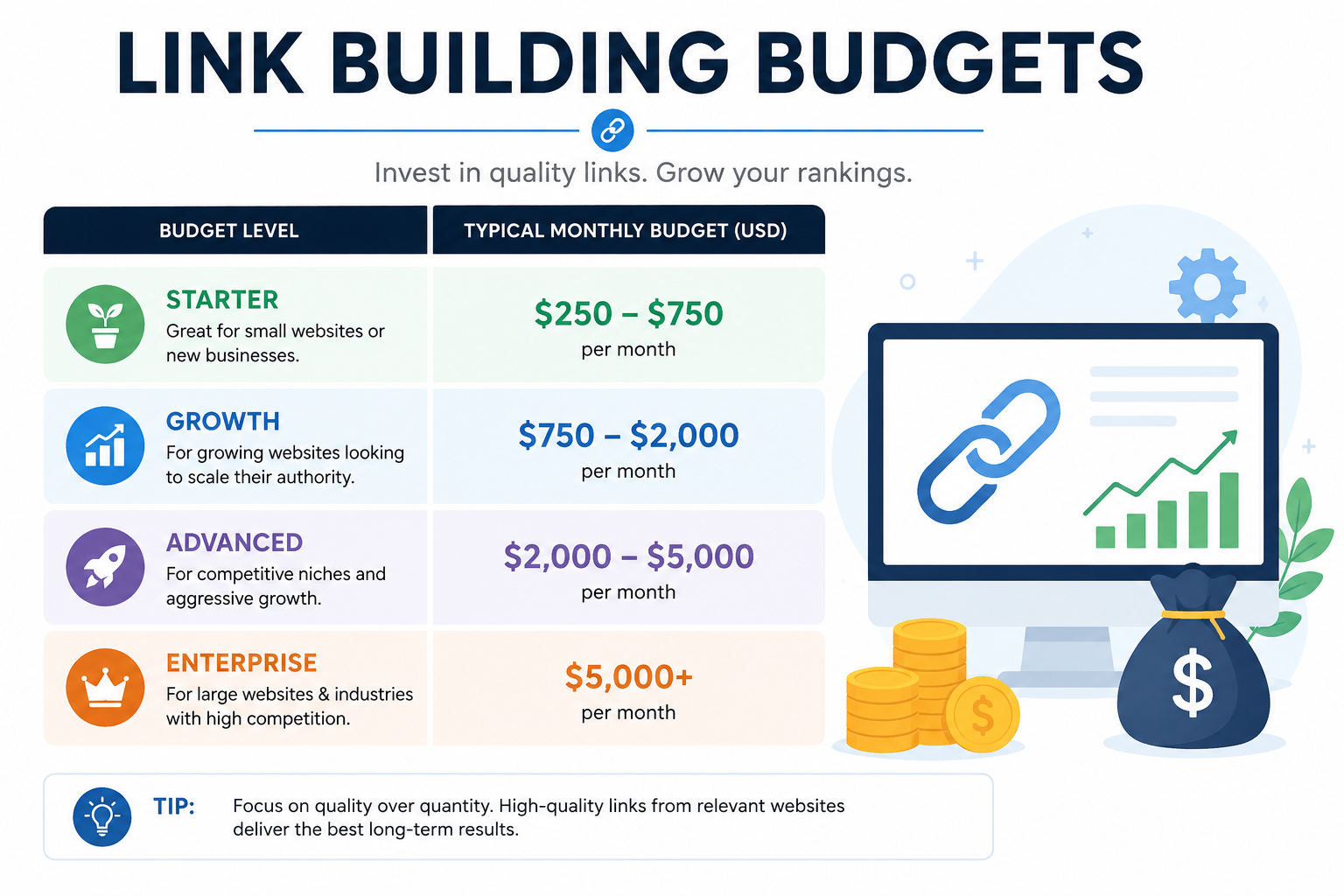
Most link building budgets get spent on whatever tactic the person managing them is most comfortable with — an
agency that specializes in outreach spends everything on outreach, one that runs a PBN leans entirely on placements.
Neither extreme tends to produce the best outcome. A deliberately diversified allocation, split across a handful of
distinct tactics, generally outperforms concentrating spend in a single channel.
Why Diversifying Tactics Matters as Much as Diversifying Links
A backlink profile built entirely from one acquisition method tends to develop the same characteristics regardless of
how careful the execution is — similar timing patterns, similar content structures, similar types of referring sites.
Spreading spend across genuinely different tactics naturally produces the kind of varied, organic-looking profile that
a single-channel approach struggles to replicate, even with significant effort.
A Practical Starting Allocation
There’s no universal formula, but a reasonable starting split for a mid-sized budget looks something like: roughly a
third toward digital PR and earned coverage, which produces the highest-authority links but at slower and less
predictable pace; a third toward guest posting on genuinely relevant sites, which balances quality and control; and
the remaining third toward niche edits, contextual placements, and a reserve for opportunistic, time-sensitive buys.
This isn’t a fixed rule — it’s a starting point to adjust based on results.
Adjusting Based on Site Age and Existing Authority
Newer sites with little existing authority often get more value, faster, from guest posts and niche edits than from
digital PR, since PR campaigns typically require some existing credibility to gain traction with journalists and
editors in the first place. Established sites with a strong existing profile can often afford to shift more heavily toward
PR and earned coverage, since they’ve already built the baseline authority that makes ongoing organic outreach more
Successful.
Building in a Measurement Loop
An allocation is only useful if it’s revisited. Tracking which tactic produced links that correlated with actual ranking
movement — not just which tactic produced the most links — over a quarterly cycle allows budget to shift toward
what’s actually working for a specific site and niche, rather than staying fixed on assumptions made before any real
data existed.
Reserving Budget for Opportunistic Moves
It’s worth holding back a portion of any link building budget rather than committing it all to scheduled campaigns.
Competitor gaps, timely content opportunities, or a particularly well-matched placement that becomes available
unexpectedly are easier to act on when some flexible budget exists specifically for that purpose, rather than needing
to pull funds from an already-committed campaign.
Putting a Framework Together
The specific percentages matter less than having a deliberate framework at all — most budgets underperform not
because the total spend was too low, but because it went entirely into one tactic without a plan for adjusting based on
results. A more detailed framework for Link Building Budgets: How to Allocate Spend for Maximum Impact walks
through how to build this out for different budget sizes and site stages in more detail than a single overview can
cover.
Treating a link building budget as a portfolio to be actively managed, rather than a lump sum to be spent on the first
plausible tactic, is what separates campaigns that compound in effectiveness over time from ones that plateau after
the initial spend.


